
MEP (Mechanical, Electrical & Plumbing) Services in Educational Institutions | Simsona
Educational institutions, ranging from elementary schools to large research universities, are far more than simple buildings with classrooms. They are dynamic environments that must support learning, safety, technology, and sustainability, all while accommodating hundreds or even thousands of occupants every day.
At the core of this complex ecosystem lies MEP, which stands for mechanical, electrical, and plumbing systems. These systems act as the invisible infrastructure that ensures everything functions smoothly.
In modern construction, MEP systems are no longer treated as secondary elements. They are central to how a building performs daily. A well-designed MEP system directly impacts student comfort, academic performance, and operational efficiency. It also helps institutions reduce long-term maintenance and energy costs. The effectiveness of planning and executing MEP systems significantly influences the success of an educational facility.
Understanding MEP Systems in Educational Facilities
MEP systems are divided into three main disciplines, each playing a unique and interconnected role within the building.
Mechanical systems focus on heating, ventilation, and air conditioning. These systems oversee keeping the inside of the building comfortable. In a classroom setting, proper temperature control and ventilation are essential because students cannot concentrate in spaces that are too hot, too cold, or poorly ventilated. Mechanical systems ensure that fresh air is continuously circulated while maintaining stable indoor conditions.
Electrical systems provide the power required to run the entire institution. From lighting and fans to computers and laboratory equipment, everything depends on a reliable electrical supply. In modern schools and universities, electrical systems also support advanced digital infrastructure, including internet connectivity and smart classroom technologies.
Plumbing systems handle water supply, drainage, and sanitation. They ensure that clean drinking water is available and that waste is properly managed. In addition, plumbing systems are closely linked to fire protection, making them critical for building safety.
Healthy and Productive Learning Environments
One of the most important roles of MEP systems is to create a healthy and productive learning environment. This involves managing indoor air quality, lighting, temperature, and acoustics in a balanced manner.
In the United States, standards provided by ASHRAE guide the design of ventilation systems. Classrooms often have high occupancy levels, and without proper ventilation, carbon dioxide levels can increase quickly. This can cause fatigue and reduce student focus. Mechanical systems are designed to introduce fresh air while filtering out pollutants, creating a healthier indoor environment.
Lighting design also plays a major role in student comfort. Natural daylight is often combined with artificial lighting to create a balanced visual setting. Poor lighting can lead to eye strain, especially in spaces where students read or use computers for long periods. By carefully planning lighting systems, designers can improve both comfort and energy efficiency.
Acoustics is another important factor. Mechanical systems must operate quietly so that they do not interfere with teaching. Proper coordination between building systems in larger spaces, such as lecture halls, ensures the maintenance of sound quality.
Safety and Regulatory Compliance
Safety is a fundamental requirement in educational institutions, and MEP systems are essential in achieving it. Fire protection systems are integrated into both plumbing and electrical designs. These include sprinkler systems, smoke detectors, and fire alarms that work together to provide early warning and response.
Electrical safety is equally important. Proper grounding and circuit protection prevent hazards such as electrical fires. Emergency lighting systems are also installed to ensure safe evacuation during power outages.
Educational buildings in the United States must comply with national and local codes. This includes regulations related to electrical systems, fire safety, and building performance. Careful planning and adherence to these standards ensure that institutions remain safe and legally compliant.
Supporting Technology-Driven Education
Technology has become a core part of modern education. Classrooms now rely on digital tools such as interactive displays, online learning platforms, and high-speed internet. MEP systems, especially electrical infrastructure, must be designed to support these technologies.
A reliable power supply is essential to avoid disruptions during classes or examinations. Backup systems such as generators and uninterruptible power supplies ensure continuity in case of outages. In addition, structured cabling systems provide the necessary connectivity for data and communication networks.
As educational technology continues to evolve, MEP systems must also be flexible enough to accommodate future upgrades. This requires forward-thinking design and proper planning during the construction phase.
Mechanical Systems and Indoor Air Quality
Mechanical systems play a key role in maintaining indoor air quality and overall comfort. Modern HVAC systems are designed to remove dust, allergens, and other pollutants from the air. This is especially important in schools, where maintaining a healthy environment is critical for student well-being.
Many systems now include sensors that monitor air quality in real time. These systems can efficiently supply fresh air by adjusting ventilation rates according to occupancy levels. This approach improves comfort and reduces energy consumption.
Another important concept is zoning. Different areas of a building have different requirements. For example, a gymnasium may need more ventilation than a classroom, while a library may require a quieter environment. Zoning allows each space to be controlled independently, improving both comfort and efficiency.
Plumbing Systems and Water Management
Plumbing systems are essential for maintaining hygiene and supporting daily operations in educational institutions. They ensure that clean water is available for drinking, sanitation, and laboratory use.
Water conservation has become an important focus in the United States. Many schools and universities are adopting efficient fixtures that reduce water usage without compromising performance. Modern campuses are also implementing systems such as rainwater collection and water reuse. Modern campuses also implement these systems.
Sanitation facilities must be designed to handle high usage while maintaining cleanliness. This process includes proper ventilation, durable materials, and fixtures that are easy to maintain. Well-designed plumbing systems contribute significantly to the overall health and comfort of building occupants.
The Role of Building Information Modeling in MEP Design
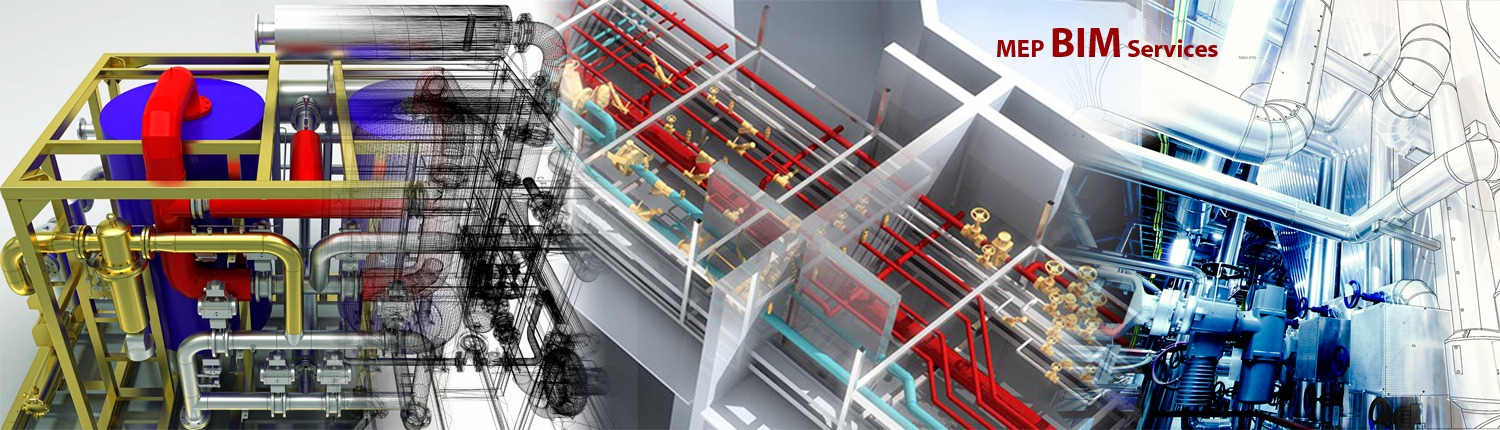
The complexity of MEP systems has led to the adoption of advanced design tools such as Building Information Modeling, commonly known as BIM. This technology allows engineers to create detailed three-dimensional models of building systems.
One of the major advantages of BIM is that it helps identify conflicts between different systems before construction begins. For example, it can detect if a duct is interfering with a pipe or cable. Resolving these issues early reduces delays and additional costs.
BIM also provides valuable information for building maintenance and future upgrades. Facility managers can use these digital models to understand system layouts and plan repairs more efficiently.
Challenges in MEP Design for Educational Institutions
Designing MEP systems for educational institutions involves several challenges. One major issue is aging infrastructure. Many schools in the United States were built decades ago and require upgrades to meet current standards. Retrofitting these systems while keeping the building operational can be complex.
Budget limitations are another concern, particularly in public institutions. While advanced systems offer long-term benefits, the initial investment can be significant. Designers must identify ways to balance cost and performance.
Coordination between different teams is also critical. MEP design requires collaboration between architects, engineers, and contractors. Any lack of coordination can lead to design conflicts and construction delays.
Sustainability and the Future of MEP in Education
Sustainability is becoming a key focus in the design of educational facilities. Many institutions are adopting energy-efficient systems to reduce their environmental impact. This includes the use of renewable energy sources such as solar power, as well as advanced systems that optimize energy usage.
Smart building technologies are also shaping the future of MEP systems. Sensors and automated controls allow buildings to monitor and adjust their performance in real time. This improves efficiency and reduces operational expenses.
In the coming years, the integration of artificial intelligence and data-driven management systems is expected to further enhance building performance. Educational institutions will continue to invest in technologies that support both sustainability and innovation.
Conclusion
MEP systems form the foundation of modern educational institutions in the United States. They ensure that buildings are safe, comfortable, and capable of supporting the demands of contemporary education. From maintaining indoor air quality and providing reliable power to ensuring efficient water management, these systems play a vital role in everyday operations.
As educational environments continue to evolve, the importance of well-designed MEP systems will only increase. By combining advanced technologies with sustainable practices, institutions can create high-performance campuses that support learning, safety, and long-term efficiency.


